
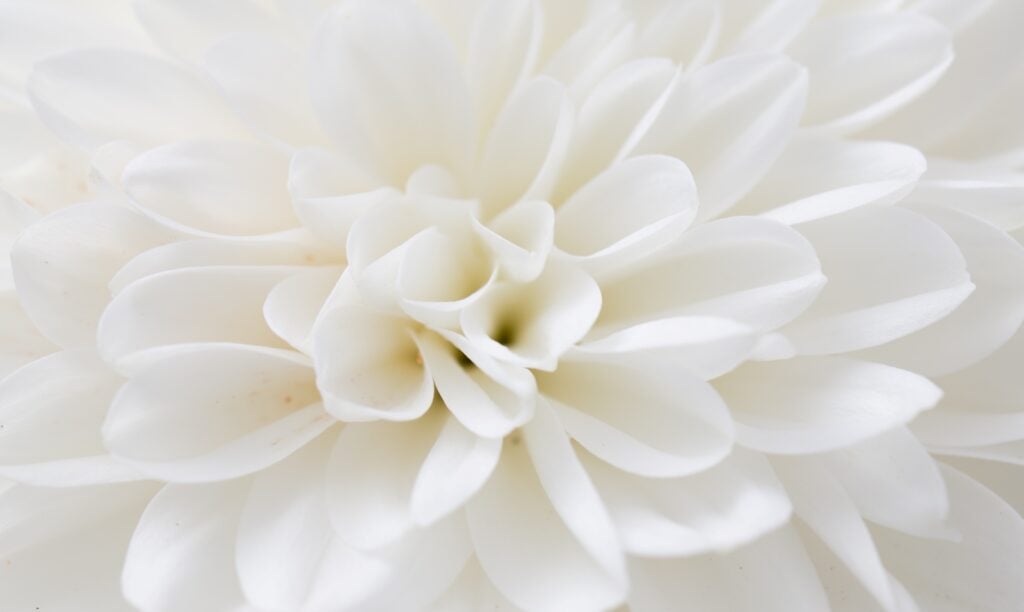
White is a plain color that typically appears in the background rather than being front and center. It’s viewed as pure, innocent, and perfect, so many people see it as a simple color without much depth. However, that’s not the case at all.
White is fascinating in its own way, with more character than people often realize. It plays an important role in nature, culture, and design. Here are 12 surprising facts that show there’s more to the color white than meets the eye.
1. White Light Comes from All Colors Combined
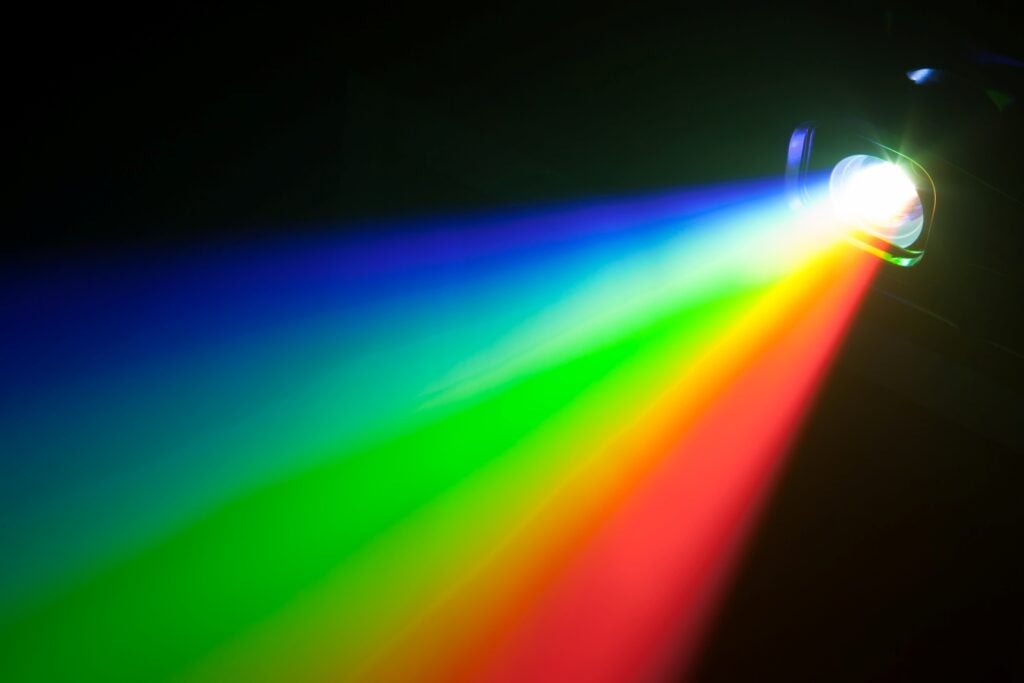
Lights often appear white, leading us to believe that it’s the default color. Yet, light is actually a combination of all colors on the visible spectrum. So, to create white light, you need to combine the three primary colors of RGB (red, green, and blue). This can be confusing since combining those colors in paint would give you a dark, murky color that’s far from white.
Light uses additive color mixing rather than subtractive mixing. The more colors you combine, the lighter the result. Combining different amounts of the primary colors will give you different hues, but using an equal amount of all three primary colors will give you white. So, when looking at a bright white spotlight or white pixels on a screen, you’re actually looking at a combination of red, green, and blue light.
2. Snow Isn’t Actually White
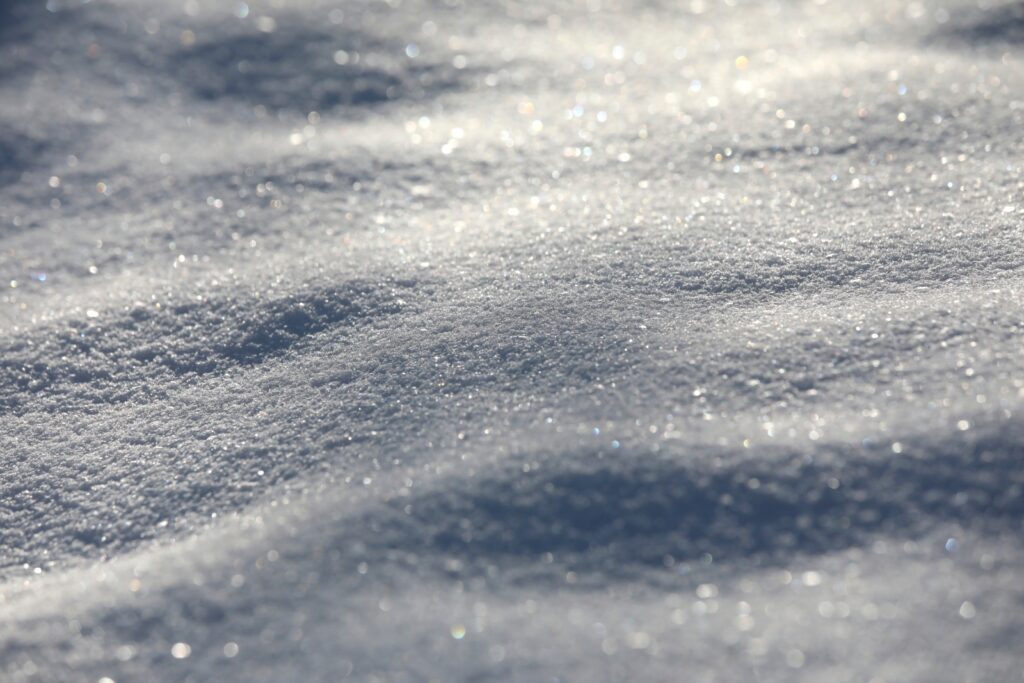
“White as snow” is a common comparison because snow is often seen as one of the purest examples of white in nature. However, snow technically isn’t white at all. In reality, snow is made up of countless translucent ice crystals. It appears white to us because when light hits snow, it scatters among the ice crystals, causing us to see all wavelengths of light at once, which we perceive as white. It’s similar to how we know water is clear, but it looks blue in the ocean.
Since snow is not technically white, it might not always appear as this plain color. Depending on the way sunlight hits snow and how shadows are cast over it, it might have a hint of other colors instead, such as blue, purple, or pink. If you take a close look at various snow settings, you might realize that they’re not all the exact same hue.
3. The Term “White Noise” Was Inspired by White Light

When we hear white noise, we’re often reminded of the hissing sound or the black-and-white static pattern that appears when a TV channel isn’t coming through. Because the pattern looks like it has white in it, it might seem like it’s named after static, but white noise is actually named after white light.
White noise consists of all audible frequencies at equal intensities, creating a background noise that often helps people sleep. The combination of all frequencies is similar to how white light includes all wavelengths. So, that similarity led to the name “white noise.”
4. You Can’t Mix Other Colors to Make True White Paint

While white light can be made by combining other colors of light, paint and other physical art mediums work the opposite way. When you mix the primary colors of paint together, they get darker. Typically, adding white is the easiest way to lighten up a hue. Yet, without using white, how can you create white? The reality is that you can’t.
Therefore, if you need white paint, you have to buy it. Even if you’re not painting white objects, it’s an essential color to have available because mixing a color with white creates a tint, which is a lighter and paler version of the hue.
5. Wedding Dresses Weren’t Always Traditionally White

White wedding dresses are extremely popular in Western cultures today. In areas where this is the norm, people are often shocked to see wedding gowns of a different hue. Yet, it was once normal for these dresses to be a wide range of colors, including blue, green, yellow, red, and black.

It wasn’t until the 19th century that white wedding dresses became the standard color. Queen Victoria seemed to inspire this tradition after wearing an elegant white gown on her wedding day in 1840. She chose white as a symbol of virtue and fertility, and it quickly intrigued the public. While wedding dresses vary by culture and location, white has been extremely popular in Europe and the United States ever since.
6. Toxic White Lead Was Once a Popular Cosmetic
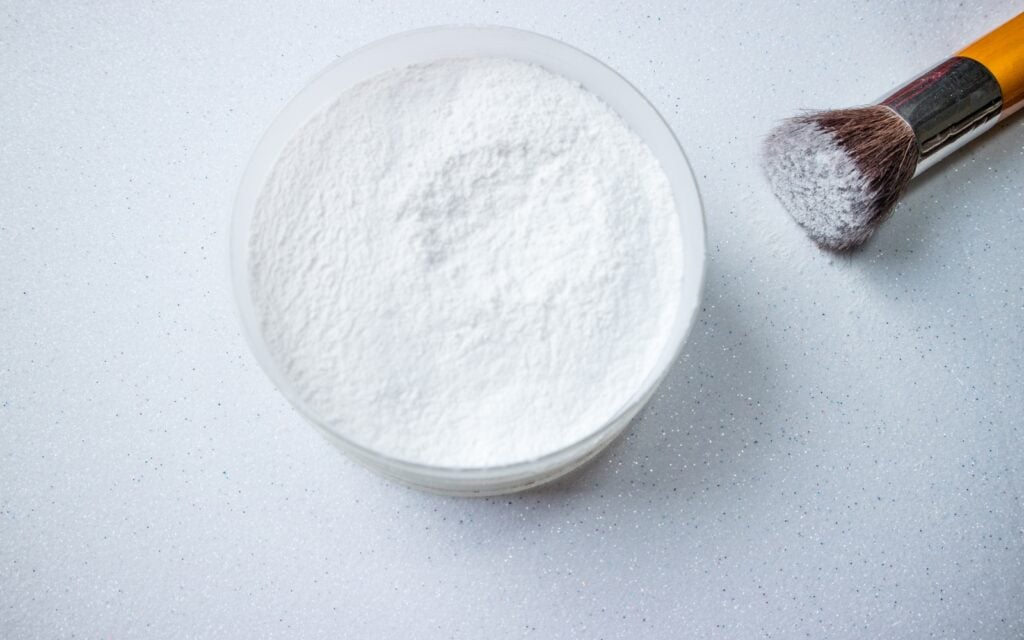
There are many instances throughout history where everyday items were later discovered to contain hazardous materials. One of those was white lead, which was used in paint and cosmetics. During the 18th century, people were directly putting products containing white lead on their faces as a fashion statement.
While people didn’t know the dangers of lead at first, some women who wore white lead makeup experienced serious health problems, and it was later believed that the cosmetics could’ve been the cause. When worn on the face, the lead could be absorbed into the body, though ingestion was also a major source of exposure. Even if the lead didn’t cause immediate harm, it could increase risks of certain concerns, such as elevated blood lead levels, hypertension, and early menopause.
7. White Is the Most Popular Car Color

White is the number one car color in the United States, and it seems to be extremely popular worldwide as well (black is a close second). Neutral colors are generally the most popular because nearly every car comes in them, and they’re pleasant to look at. White stands out from black, gray, and silver because the light color helps keep the car cool.
White vehicles often show less dust and light dirt than darker colors because most road grime is lighter in color. White is also fairly bright, making the cars easily visible on the road without being too bold like red or yellow. If someone is trying to choose between several neutral car colors, white is a go-to because of its many benefits.
8. Some White Mammals Change Colors in the Summer
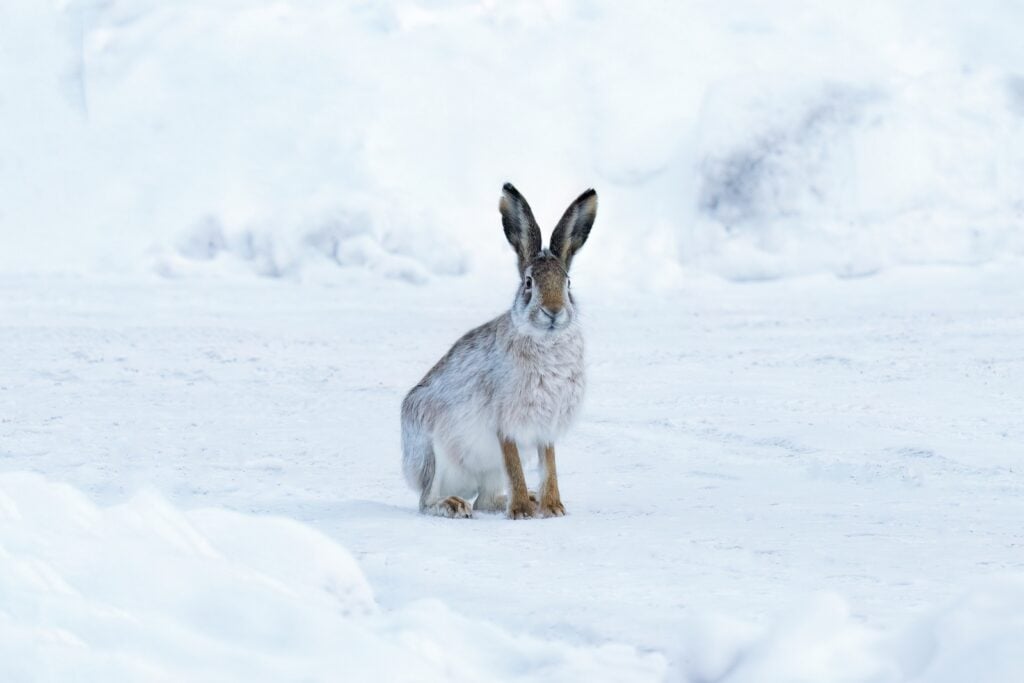
When animals have bright white fur, it’s usually to help them blend into snow. However, that means they only need a white coat in the winter. Some mammals change colors from white to brown as the weather gets warmer, so they can still camouflage even when the ground is covered in dirt instead of snow.
Arctic hares, arctic foxes, and ermines are examples of animals with this unique color-changing ability. Their colors don’t change as drastically as a chameleon’s, but it’s a unique adaptation to help them survive in the wild.
9. All Mammals Can Have Albinism

Albinism is described as the absence of pigment in skin and hair, leading to a light, pale coloring. In animals, this leads to very white fur. All mammals can have albinism, but it’s extremely rare. About one in every 10,000 births results in an albino mammal. For animals that normally come in white, albino versions may not look surprising. Yet, seeing albino gorillas, kangaroos, and skunks is fascinating.
Many other types of animals can have albinism too, including birds, some amphibians, and reptiles. Seeing a pure white alligator or peacock looks almost too beautiful and extraordinary to be real.
10. White Is a Color of Mourning in Some Cultures

While it’s common to wear black to funerals in the United States, some traditions are the opposite. In Eastern cultures such as Japan, China, and India, white is the more frequent color of mourning. In general, it symbolizes purity and rebirth as the soul leaves the body and joins the afterlife. However, the exact reason for choosing this color varies between different cultures.
In China, white is linked to the paleness associated with death in addition to purity. In Indian cultures, white symbolizes purity and peace, so it’s commonly worn by family members at funerals and also draped over the body. Focusing on white instead of black when grieving tends to make remembering the dead less somber.
11. Too Much White in a Room Can Feel Unsettling

White is a popular color for walls because it’s a neutral hue that goes well with every other color. However, too much white in a space can create an uninviting or sterile atmosphere. People may associate a completely white room with a cold, clinical environment, making it difficult for them to feel comfortable and relaxed.
Keeping someone in a completely white room for an extended time can cause sensory deprivation and psychological discomfort, since the lack of visual stimulation can be disorienting. Normally, when your eyes look around a room, they have objects to rest on in front of a white wall. Yet, when there’s nothing but white to look at, your eyes don’t have anywhere to rest, which can quickly become unsettling. White can be a great neutral color in a design, but balance is crucial for making a space cozy rather than stressful.
12. Ambulances Are Often White Due to Visibility

Ambulances are commonly white, paired with bright colors like red, orange, and yellow. While the exact colors may vary based on location, white is often included in the design because it makes them easy to find and recognize. White is one of the most visible vehicle colors because it stands out from most of its surroundings, such as the dark road. Pairing it with other easy-to-spot colors like red enhances that.
Also, people are used to seeing white ambulances, just like they are used to seeing red fire trucks, so keeping this color scheme makes it easier for people to recognize an ambulance even without reading the text on it. As an important emergency vehicle, it needs to stand out on the road, and white is a great color to help with that.


